Personality tests
Twenty tests on how you think, love, decide and work. The serious ones are built on models used in psychology research. The playful ones say plainly that they are for fun. Each takes two to fifteen minutes.
All twenty tests
Pick a picture to read the guide for that test: what it measures, what the questions are like, and how to read your result.
Who you are
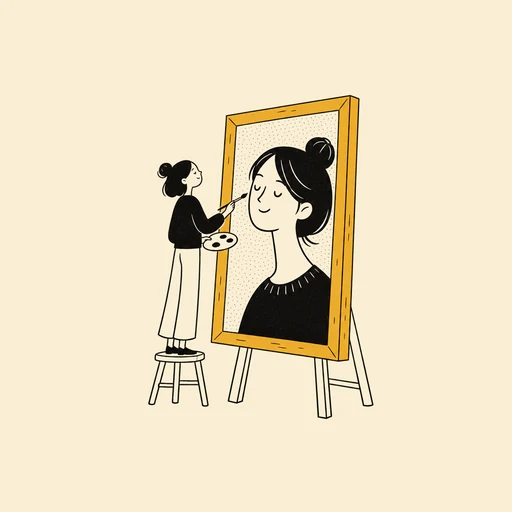 Personality Trait TestYour personality across the five core traits psychologists use to map who we are.
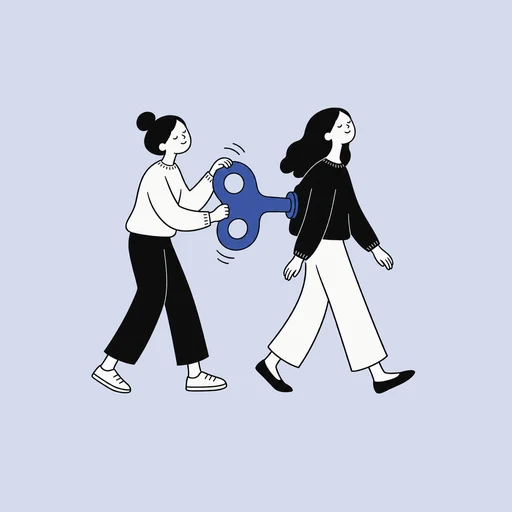 Enneagram TestThe core motivation quietly driving how you act.
 Core Values AuditWhat you actually prioritize when it counts.
 Emotional IntelligenceHow you read and handle emotions, yours and other people's.
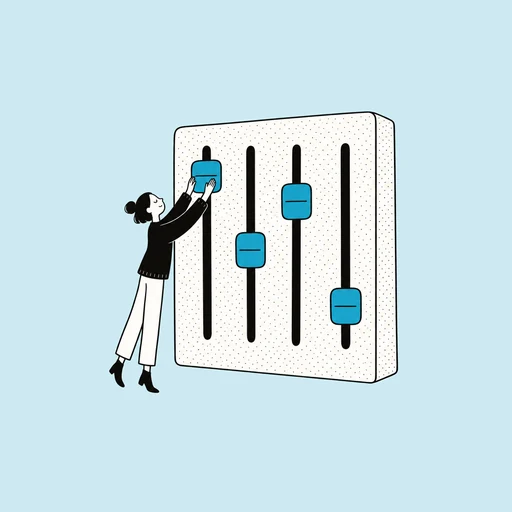 Personality TypeFour letters, sixteen types, and how strongly each letter fits you.
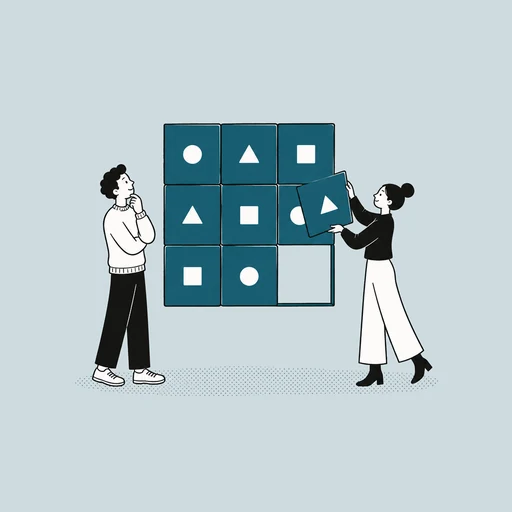 IQ TestHow you solve new puzzles: patterns and number series, with an honest range.
Love and closeness
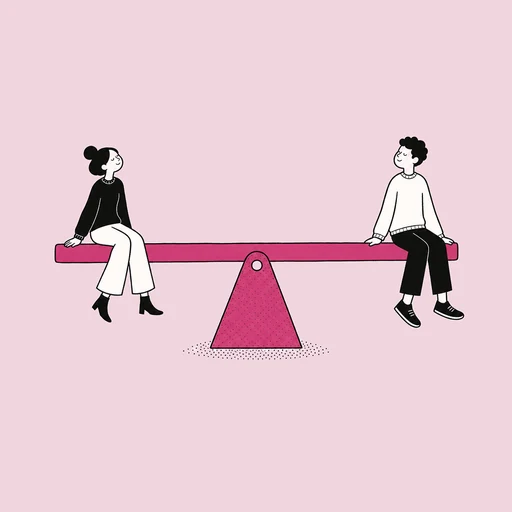 Love CompatibilityEach on your own phone, then see where you click and where you will need to talk.
 Attachment StyleHow you bond, trust, and handle closeness.
 How You Feel LovedThe kinds of care that reach you most, across five channels.
 What Makes Sorry RealWhat makes an apology feel real to you, and why some never land.
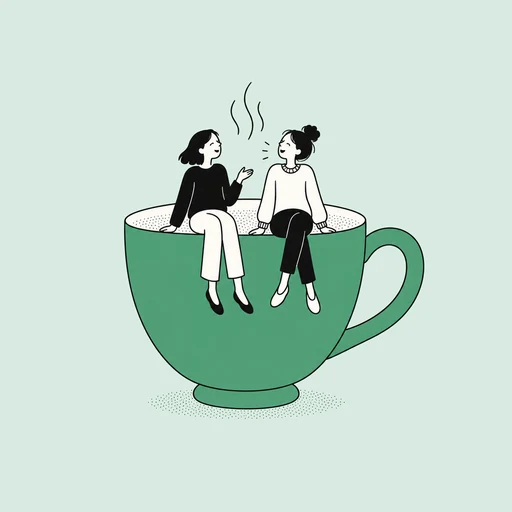 Friendship DynamicsYour rhythm as a friend: reaching out, going deep, showing up, needing space.
How you move through life
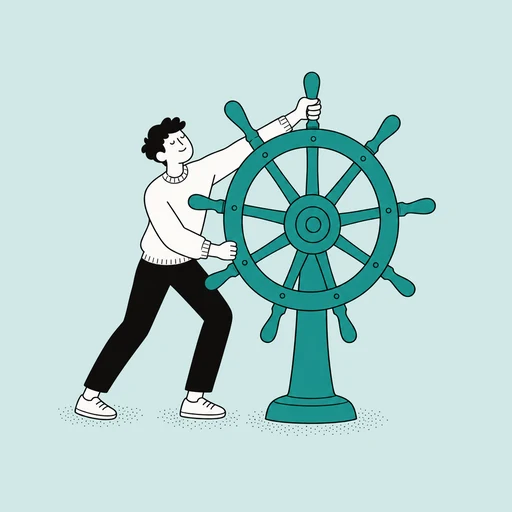 Locus of ControlWhether life feels like it happens to you, or because of you.
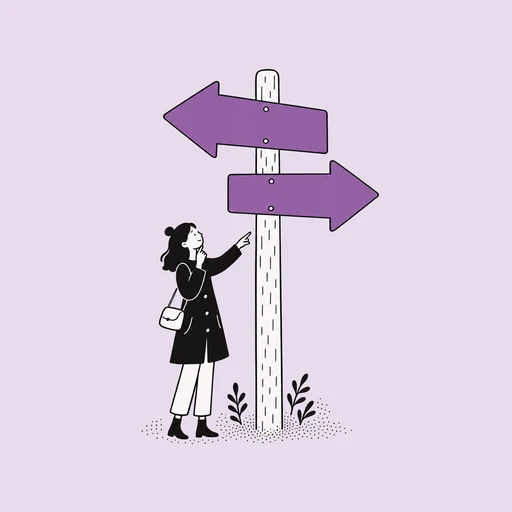 Decision-Making StyleHow you really choose, and when good enough is enough.
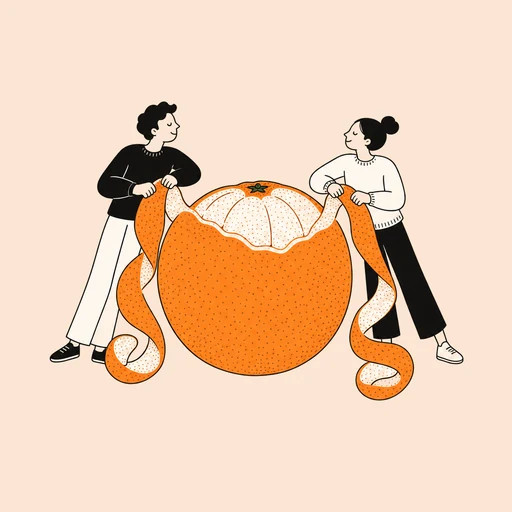 Conflict StyleWhat you actually do when you disagree, and the move you reach for first.
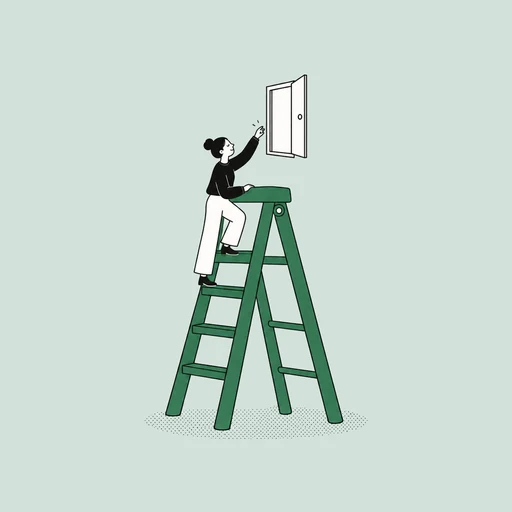 Career TestWhat work fits you: your interests, your work style, and what you want from work.
Just for fun
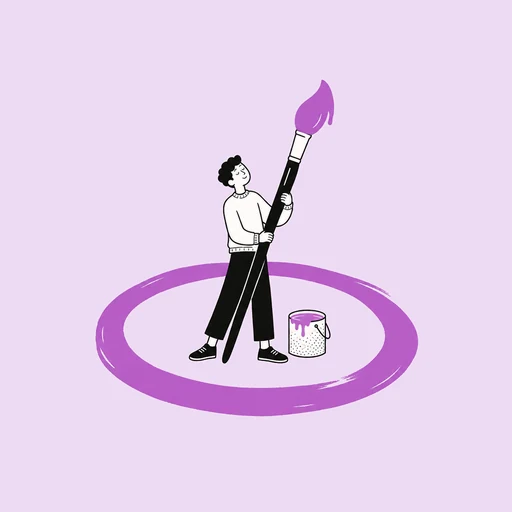

This season

Which personality test should you take first?
It depends on the question you are carrying.
- For the broad picture, start with the Big Five personality test. It is the model most used in academic psychology, and it describes you on five traits instead of putting you in a box.
- To see what drives you, try the Enneagram test or the core values test.
- If a relationship is on your mind, the attachment style test shows how you bond and handle closeness, and the love compatibility test lets two people answer on their own phones and compare.
- If work is the question, the career test maps your interests, your work style and what you want from a job.
- If you have three minutes, the aura color test and the brutally honest personality test are short and made to share.
What the tests are built on
The personality trait test uses the Big Five, the five-factor model from academic psychology, with a validated question set. The other serious tests draw on well-known models from psychology research: attachment theory behind the attachment style test, locus of control behind the locus of control test, and conflict styles behind the conflict style test.
The tests on the fun and seasonal shelves are for fun, and they say so. None of the tests is a diagnosis.
How a SlowMind test works
You answer in the SlowMind app on iPhone or Android, or in your browser from the guide page of a test. Take your time with each question. At the end you get your result, and Premium adds a personal written reading and an audio course for that test.
Frequently asked questions
How many tests does SlowMind have?
Twenty: seventeen that stay all year and three for the season. They sit on five shelves: who you are, love and closeness, how you move through life, just for fun, and this season.
Are these personality tests scientific?
The personality trait test is built on the Big Five, the five-factor model used in academic psychology, using a validated question set. The other serious tests draw on well-known models from psychology research, such as attachment theory, locus of control and conflict styles. The fun tests say plainly that they are for fun. No horoscopes, no zodiac.
How long does a personality test take?
The shortest take about two minutes and the longest, the IQ test, about fifteen. Most take four to seven minutes.
Is a personality test a diagnosis?
No. The tests are tools for reflection. They are not therapy, diagnosis or treatment, and they do not replace professional support if you need it.